Posted On: 18 Dec, 2025
Why a Diploma in Animation and Multimedia Is a Smart Career Investment
Every student reaches a point where the question isn’t what do I like? But what will actually work in the long run? Creative careers used to feel risky. Today, that’s no longer the case. Animation and multimedia have quietly moved from the sidelines to the centre of the digital world. What once felt like a passion-driven choice is now a practical, future-facing career option.
That’s why more students are seriously considering a Diploma in Animation and Multimedia—not as a shortcut, but as a focused, skill-driven investment in their future.
The Shift Toward Visual Careers
Take a moment to think about how people consume information today. We don’t read first—we watch. We scroll, pause, replay, and share visuals constantly. Animation and multimedia influence the way messages are received and recalled via OTT platforms and mobile games, as well as web pages and social media.
Behind any animation concept or an interesting video, there is a professional who knows how to work with time, design, story, and emotion. These are not automatic capabilities. They come from training, practice, and creative discipline.
Why Diplomas Work Better in Creative Fields
Unlike traditional academic paths, creative industries don’t reward theory-heavy learning. Studios and agencies don’t ask how long you studied—they ask what you can show. This is where diploma programs stand apart.
A diploma focuses on building ability, not just awareness. Students spend more time creating than memorising. They learn through projects, mistakes, revisions, and feedback—an approach commonly seen in a strong Animation Academy environment. Over time, that process builds confidence and competence—two things that matter far more than grades in the animation industry.
What Learning Animation Actually Looks Like
Animation and multimedia education is layered. It starts simple and grows deeper with time. Students don’t jump straight into complex visuals. They learn fundamentals first and build steadily. Most programs introduce learners to:
● Visual thinking and basic design principles
● Drawing and concept development
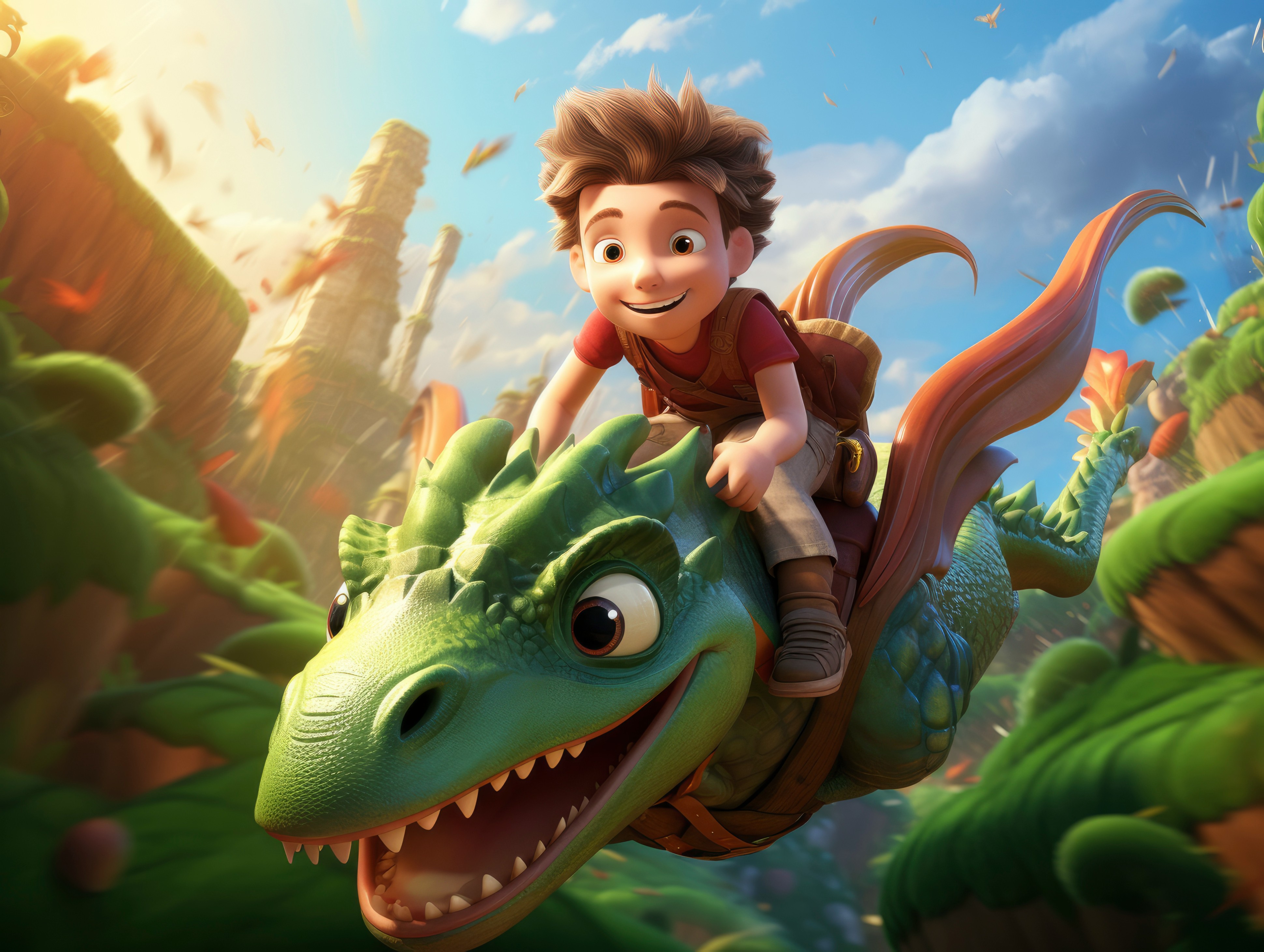
● Animation fundamentals for movement and timing
● Motion graphics and visual storytelling
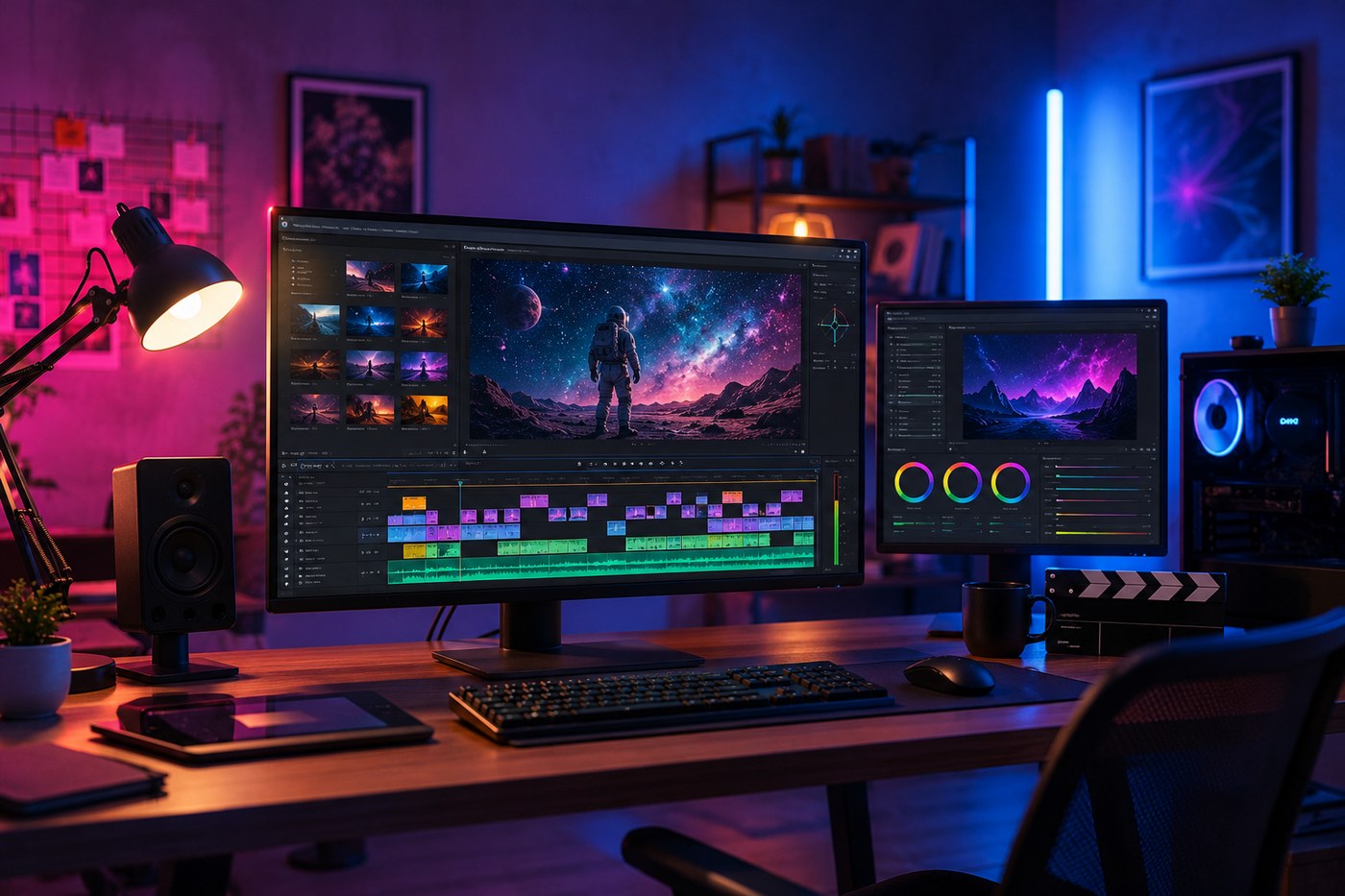
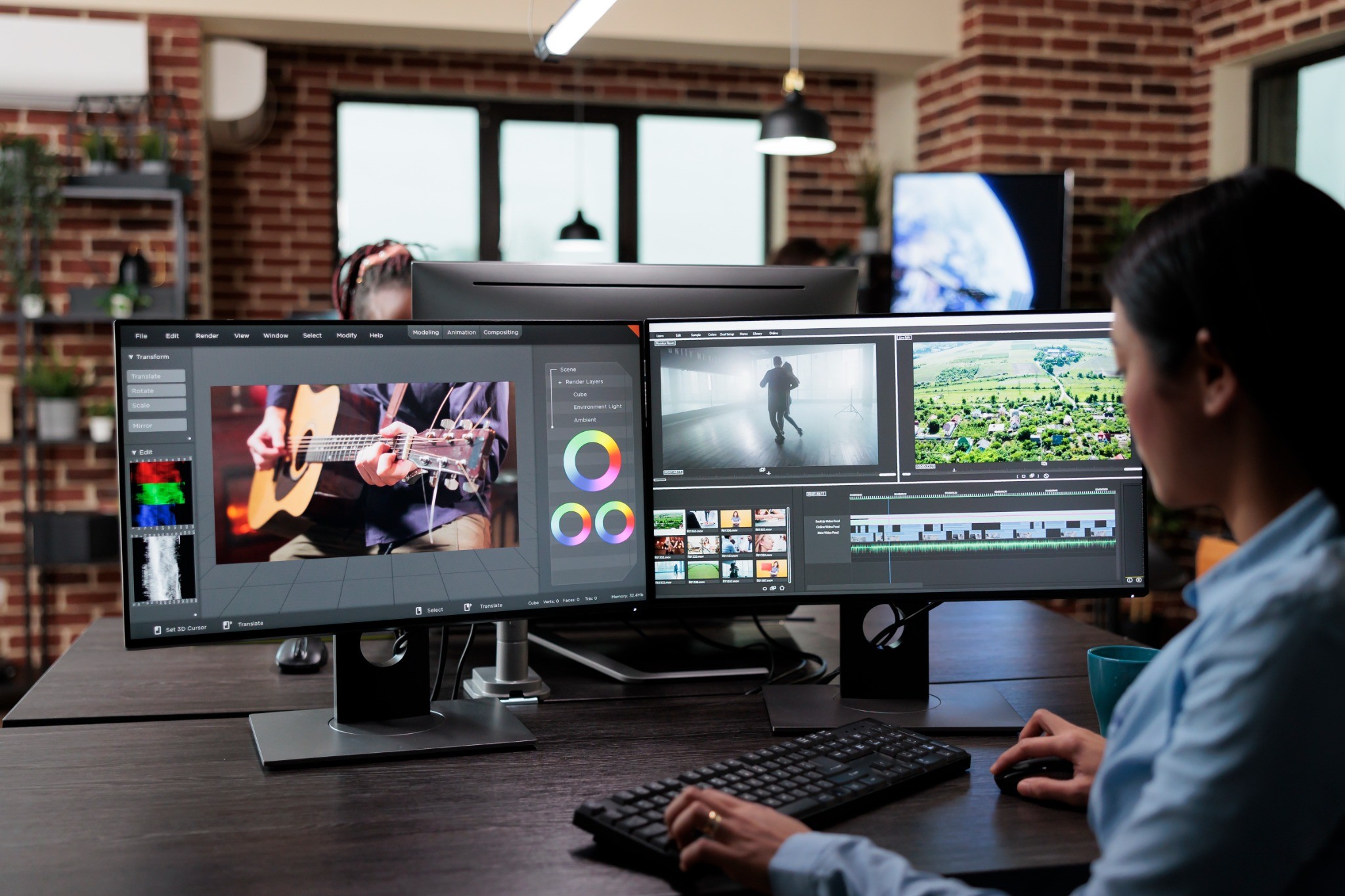
● Video editing and post-production basics
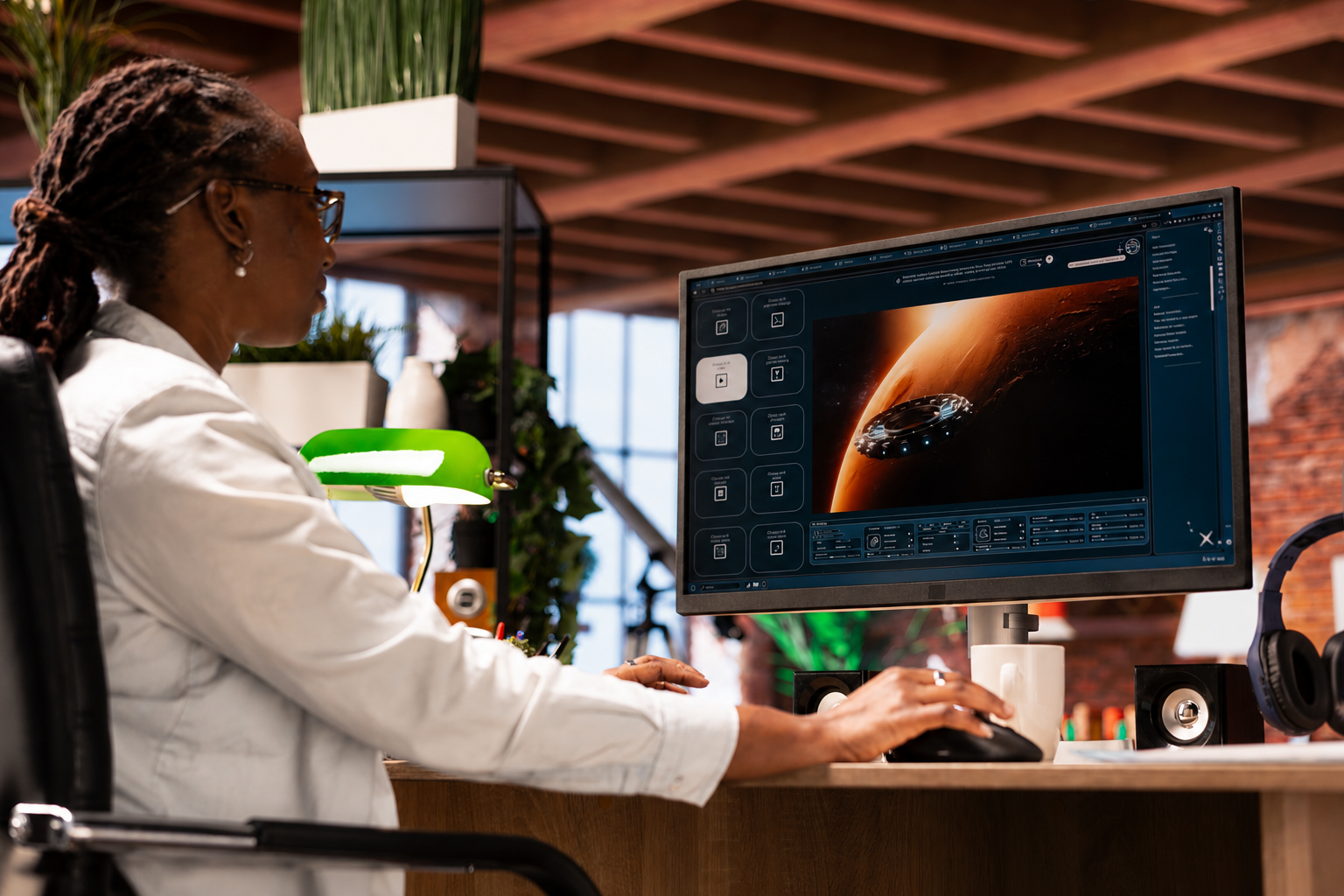
● Industry-used creative software
● Portfolio creation with guided feedback
By the end, students don’t just “know” animation—they understand how ideas move from concept to screen.
Career Paths That Aren’t Locked Into One Role
One of the biggest advantages of animation and multimedia is flexibility. Skills learned here are transferable. Graduates do not need to be narrowed down to a single job title. Rather, they are free to experiment with various roles since their interests change.
Most of the professions start with animation or design and move to editing, content creation, advertising, gaming, or freelancing. Some shift roles entirely as new technologies emerge. This adaptability makes animation careers resilient, not rigid.
Why the Learning Environment Matters
Creative skills grow best in the right atmosphere. A strong Animation Academy creates space for trial and error. Students feel comfortable experimenting, asking questions, and improving their work without fear of failure.
Peer interaction also plays a big role. Creative thinking is broadened by observing the way other people tackle the same brief in a different way. Gradually, students get to know about collaboration, deadlines, professional communication, etc., all of which are as important as technical knowledge.
Studying Close to Home Can Be a Smart Move
There is an increasing false belief that good creative education is only available in big city centres. As a matter of fact, regional creative ecosystems are developing at a very fast pace. Pursuing an animation course in Kerala gives students an opportunity to receive good training and also keep in touch with local opportunities.
The digital media, advertising, education and startup industries in Kerala are gradually increasing, and this generates the need for visual professionals who are aware of both creativity and culture.
What Students Gain Beyond Skills
Perhaps the most underrated outcome of animation education is self-belief. As students complete projects and see their ideas take shape, confidence builds naturally. They learn how to present work, accept critique, and keep improving without losing motivation.
This confidence shows up later—in interviews, client meetings, freelance pitches, and team environments. It’s what helps creative professionals sustain their careers instead of giving up when challenges appear.
Conclusion
The decision to use animation and multimedia is not a matter of following the trends but rather about training to live in a visual world. Creative talent can be made a viable career with the proper guidance, structure and viable exposure. It is the reason why those students seeking a narrow, industry training prefer Reliance Animation Academy, where education is based on practical skills, aesthetic development, and future job viability.
Related Blogs





11 May, 2026

16 Jul, 2026